407Views
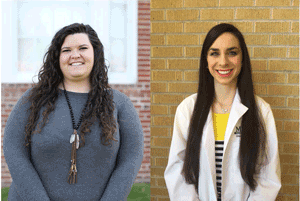
RIDGELAND — Holmes Community College Academic Counselor Dr. Pamela Fells recently presented her research at the Association of Social & Behavioral Scientists 91st Annual Conference, held March 18–21 in New Orleans. The theme of the 2026 conference, “Bridging Divide: Theory and Practice in a Polarized World,” brought together scholars and professionals to discuss research and solutions addressing societal challenges.
Dr. Fells presented her study titled “Beyond the Classroom: Institutional Support and the Persistence of First-Generation African American Female College Students at PWIs.” Her research explores how institutional support systems influence student success and degree completion.
Her findings emphasize that persistence is not determined solely by academic ability, but also by how supported, connected and valued students feel within their campus environment.
According to the study, holistic support systems – including academic advising, tutoring, mentoring and counseling – play a critical role in student success. Students who regularly engaged with these resources reported greater confidence and resilience.
Dr. Fells also found that a strong sense of belonging is essential. Students who built meaningful relationships with faculty, staff and peers were more likely to stay enrolled and remain motivated.
The research highlights mentorship and representation as additional key factors. Access to mentors, particularly those who understand students’ lived experiences, helps students navigate challenges and envision success.
Campus climate also plays a significant role. Institutions that foster inclusive environments and prioritize diversity contribute to stronger student engagement and retention.
While students demonstrated personal determination, Fells noted that institutional action is vital in removing barriers and providing structured support.
“The success of first-generation African American female college students is not achieved in isolation – it is cultivated through intentional institutional support, meaningful relationships, and environments that affirm their presence, potential and purpose,” Dr. Fells said.
###